
Jiuda news
 Recognition month
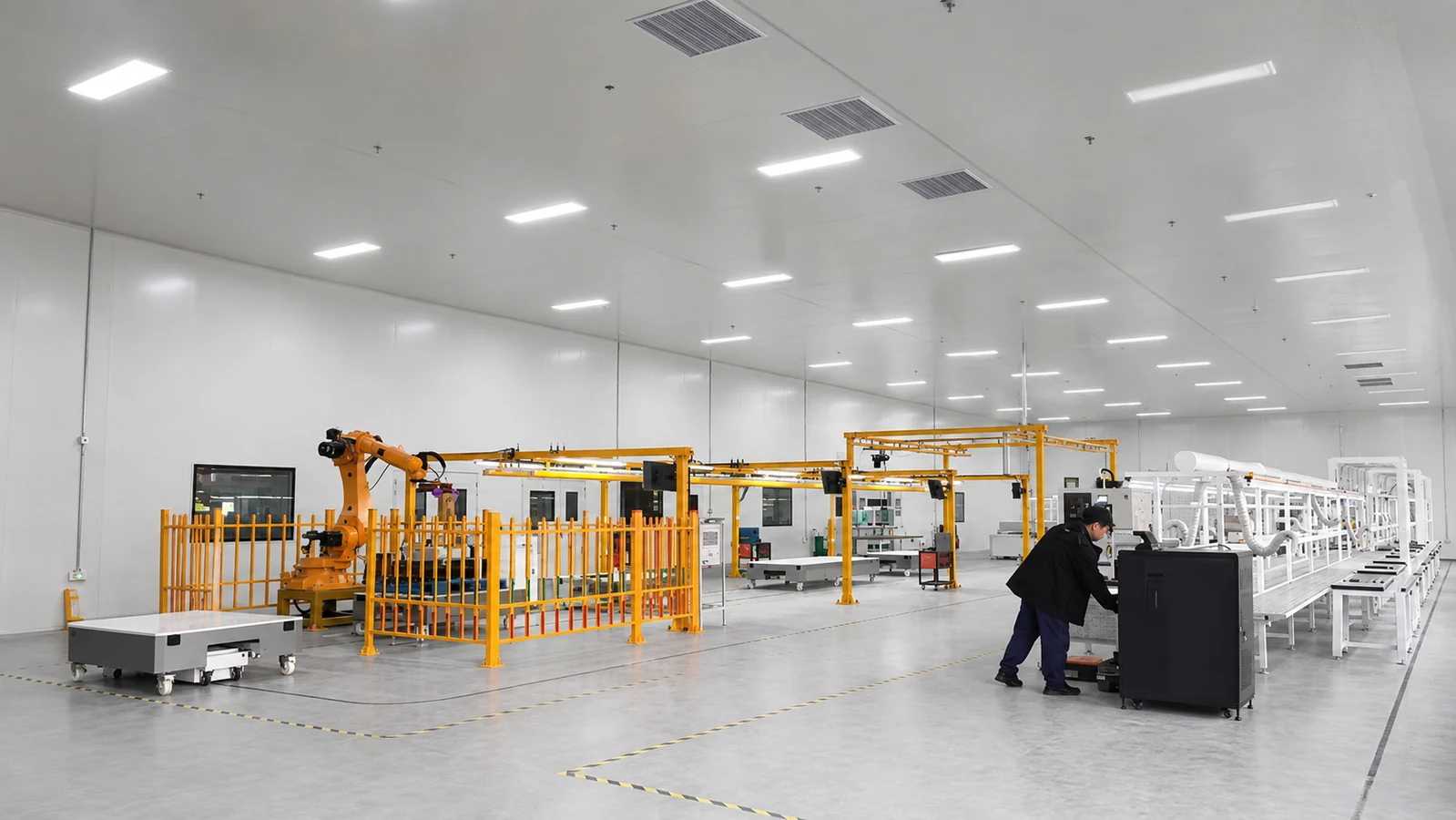
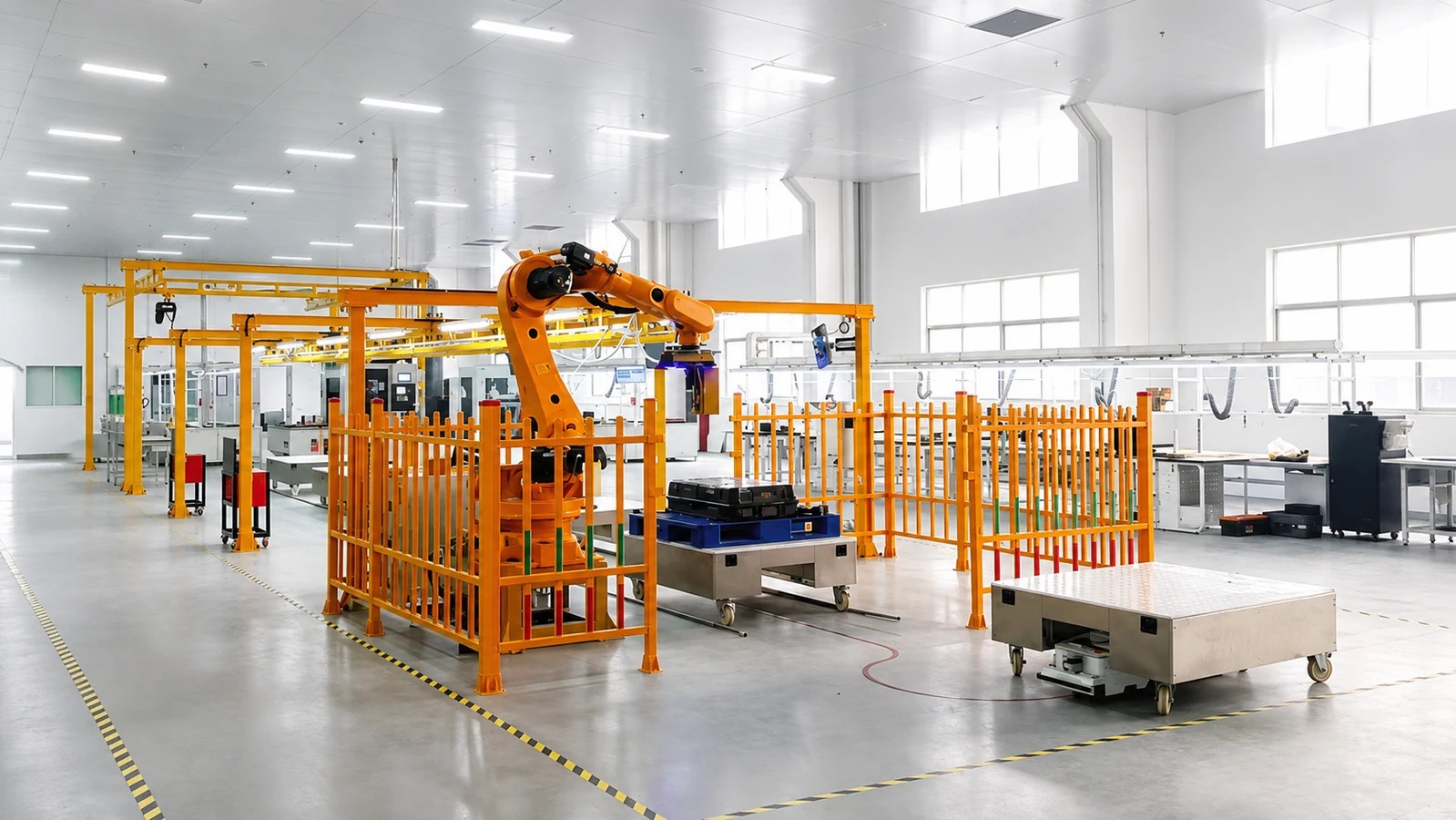
Jiuda Manufacturing flexible pack disassembly line receives Guangdong product recognition
Jiuda Manufacturing’s flexible automated disassembly line for retired EV battery packs was recognised as a 2026 Guangdong Outstanding High-Tech Product (Service).
 Event date
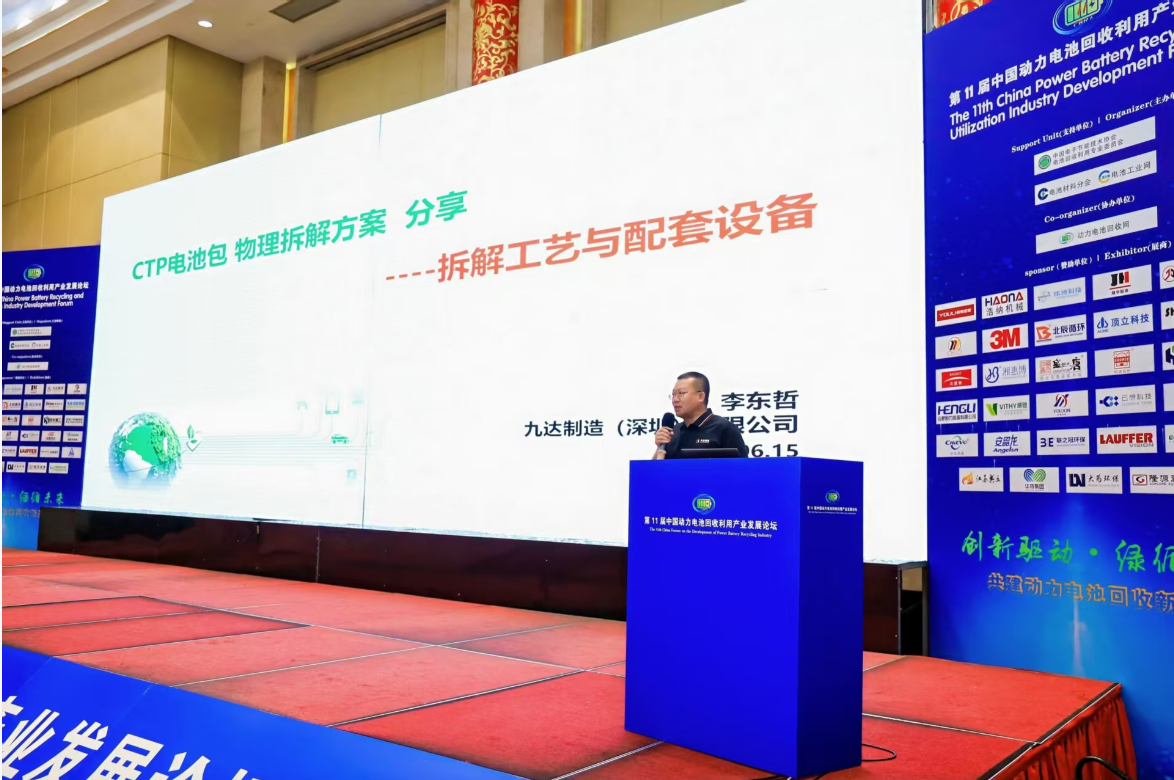
Jiuda Manufacturing presents CTP pack disassembly at the Hangzhou industry forum
Jiuda Manufacturing joined the 11th China Power Battery Recycling Industry Development Forum to discuss disassembly processes and supporting equipment.
Jiuda Manufacturing patent application published for automated laser weld disassembly
Jiuda Manufacturing’s invention patent application for an automated laser weld-disassembly machine and its operating method was published as CN121733044A.
Jiuda Manufacturing named an Outstanding Member for 2025 by Guangdong’s circular-economy association
Jiuda Manufacturing received the 2025 Outstanding Member recognition from the Guangdong Association of Circular Economy and Resources Comprehensive Utilization.
 Award date
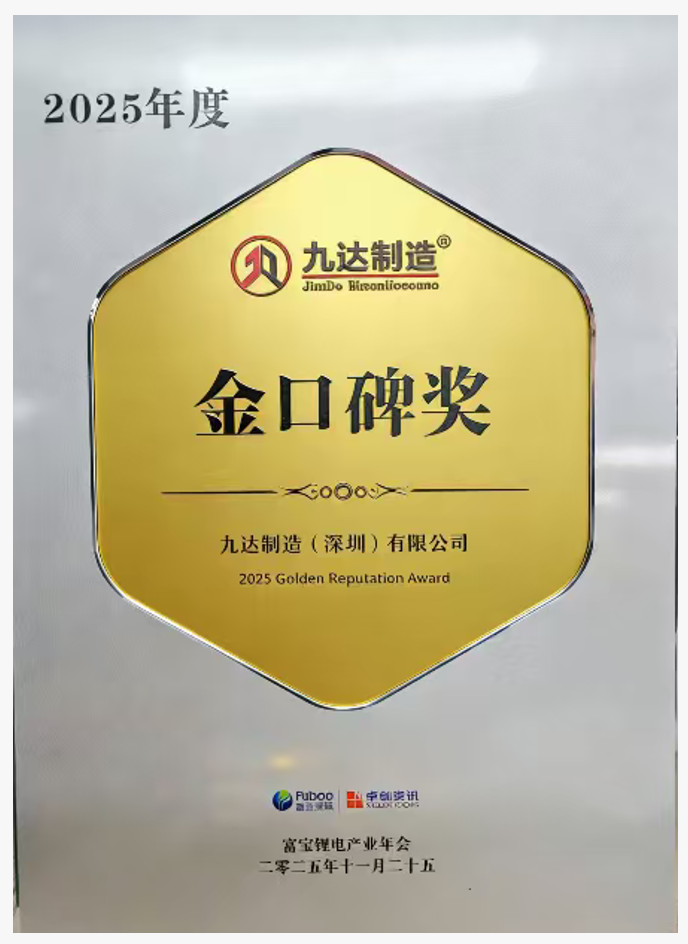
Jiuda Manufacturing receives the 2025 Golden Reputation Award
Jiuda Manufacturing received the 2025 Golden Reputation Award at the Fubao Lithium Battery Industry Annual Conference.
 Recognition date
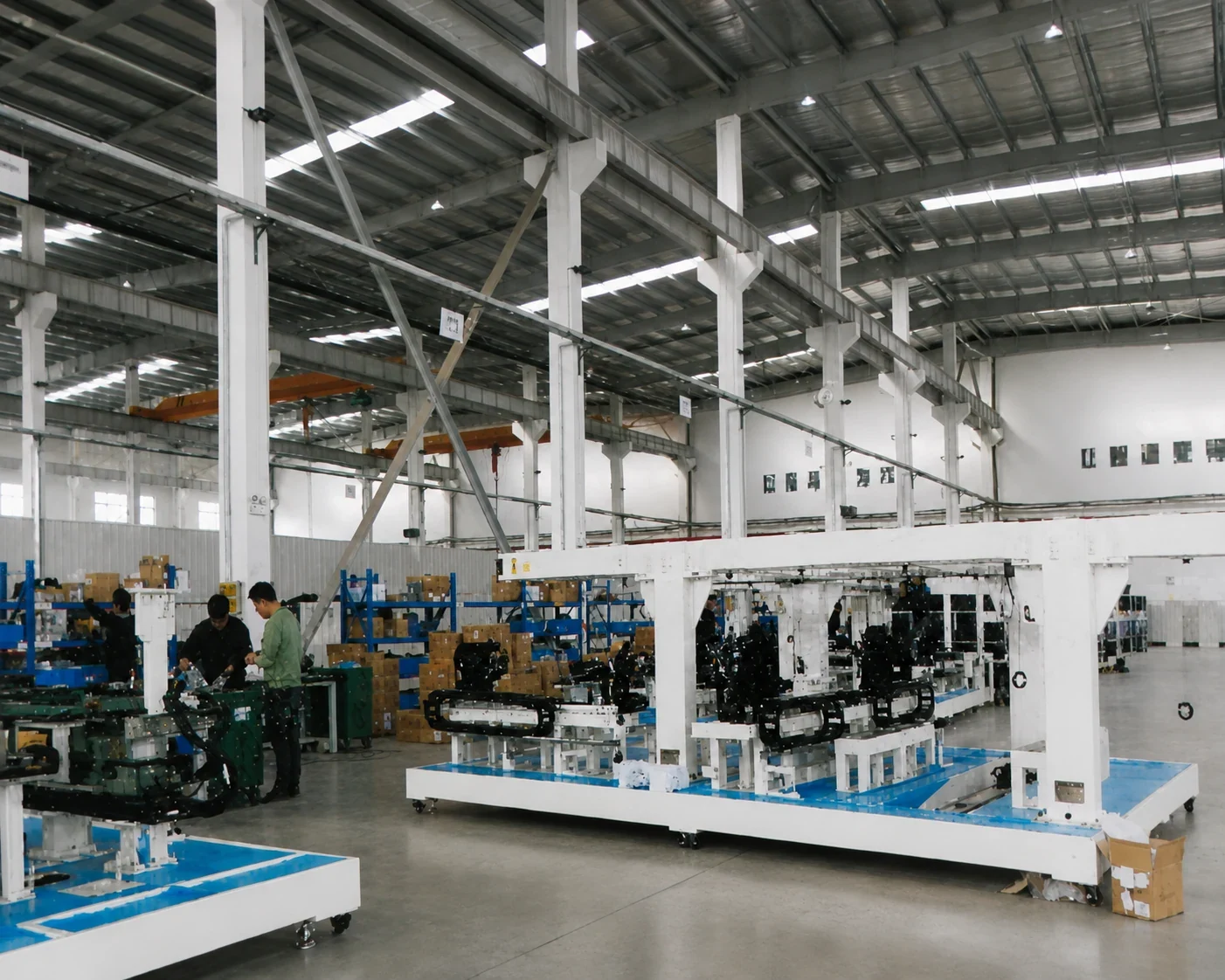
Jiuda Manufacturing recognised as a High-Tech Enterprise
Jiuda Manufacturing received its High-Tech Enterprise certificate in December 2024.
 Grant publication date
Jiuda Manufacturing’s battery pack disassembly process granted an invention patent
Jiuda Manufacturing’s battery pack disassembly process patent was granted and published on 24 December 2024 as CN 117878470 B.
 Event start date
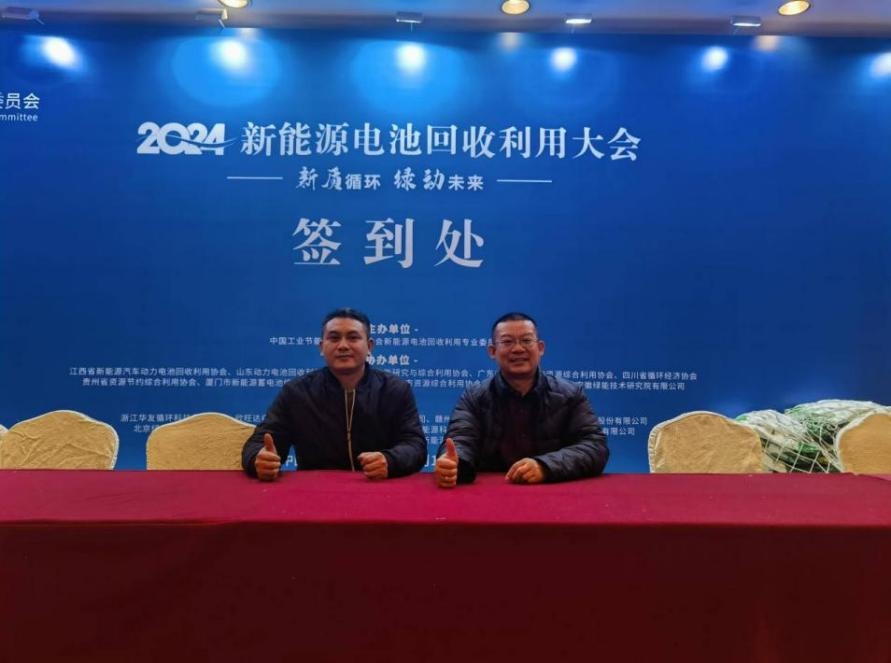
Jiuda Manufacturing joins the exhibition at the 2024 New Energy Battery Recycling Conference
The conference took place in Beijing on 20–21 November 2024. Jiuda Manufacturing took part in its battery recycling exhibition.
 Published
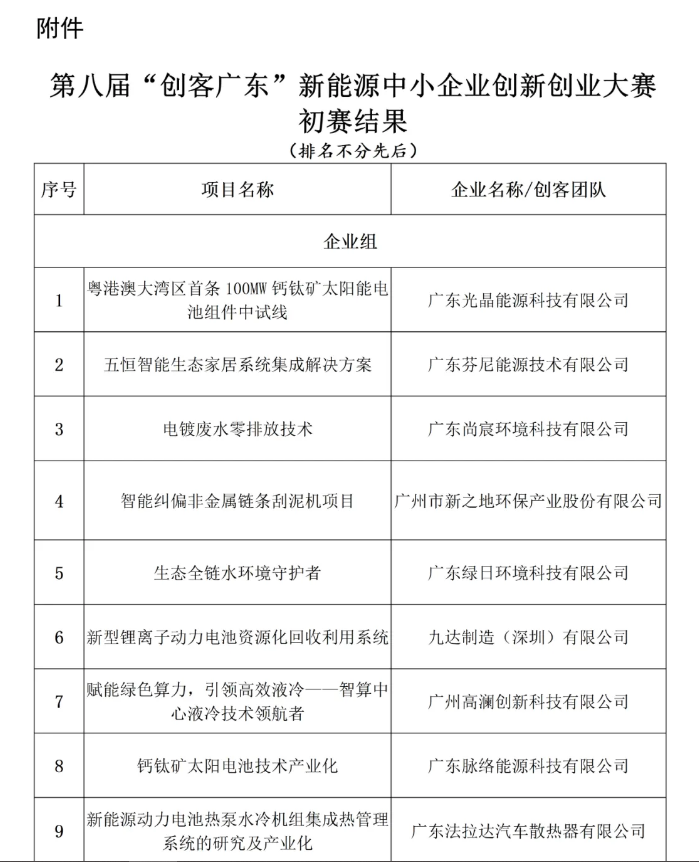
Jiuda Manufacturing reaches the enterprise final of Guangdong’s new-energy innovation competition
Jiuda Manufacturing passed the preliminary round of the eighth Guangdong new-energy SME innovation and entrepreneurship competition and advanced to the enterprise final.
 Recognition year
Jiuda Manufacturing recognised as an Innovative SME
The Shenzhen SME Service Bureau issued Jiuda Manufacturing’s Innovative SME certificate.
 Published
Jiuda Manufacturing employees take part in football, relay and hiking events
Football, relay races and outdoor hiking bring Jiuda Manufacturing employees together outside work.
 Event start date
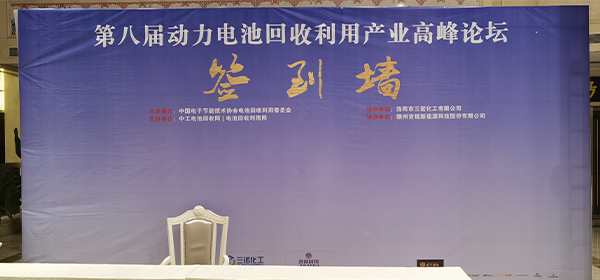
Jiuda Manufacturing attends the eighth battery recycling industry forum
Jiuda Manufacturing joined the industry forum in Longnan, Jiangxi, exchanging views on battery recycling technology and cooperation.
 Published
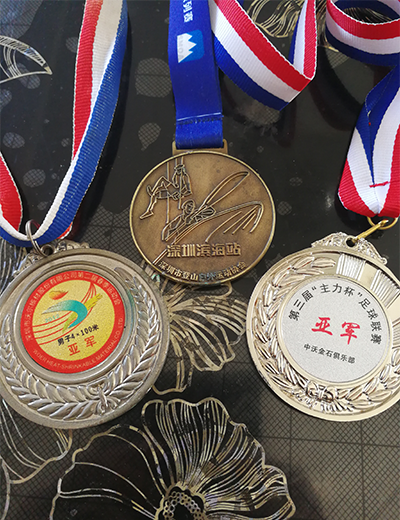
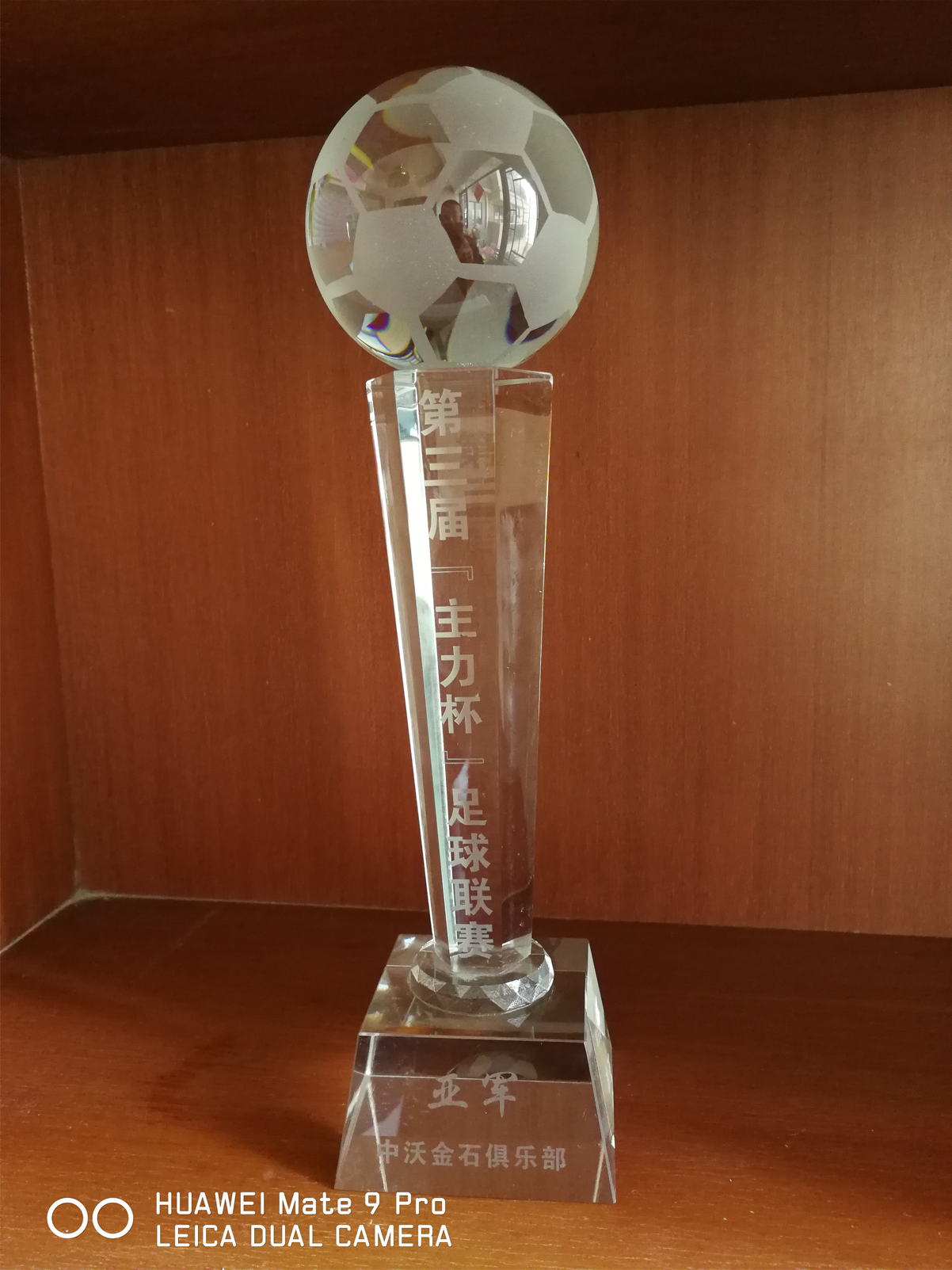
Jiuda Manufacturing football team finishes runner-up in the third Zhuli Cup
The Jiuda Manufacturing football team finished runner-up in the third Zhuli Cup amateur football tournament.
Industry insights
MIIT publishes lithium-ion battery data for H1 2026
China’s lithium-ion battery output exceeded 1,240 GWh in H1, up 44% year on year.
August production: growth in new energy vehicles and industrial robots
NBS released August output figures and year-on-year comparisons on 15 September.
Connecting feedstock, processes and destination records
Recycling projects need clearly defined feedstock, processing steps and output destinations.
IEC battery-recycling discharge guideline reaches Committee Draft stage
The proposal has reached Committee Draft stage, highlighting information handover between discharge and dismantling.
Battery recycling standards committee: membership consultation closes on 23 September
Consultation runs from 25 August to 23 September; the official attachment lists the proposed committee members.
Four battery recycling national standard drafts: comments due by 25 September
Consultation covers recycled-material identification, traceability and accounting, residual value, and whole-chain integrated (IEIC) design.
Modular robotic battery-disassembly tools still face pack-specific automation limits
Research on pack-to-module tools and human collaboration distinguishes prototype tests from production capability.
Commission adopts additional portable-battery removability exemptions
International perspective: distinguishing consumer replacement from professional removal.
IEA 2026: recycling capacity grows before end-of-life battery supply catches up
Manufacturing scrap remains a major recycling input while end-of-life supply develops later.
IEA and EPO report accelerating innovation in battery circularity
Patent data reveal innovation trends, not recycling capacity or equipment orders.
China's 2025 NEV stock grows, while recycling feedstock remains model- and age-dependent
Year-end NEV stock reached 43.97 million; vehicle production and stock are not retired-battery volumes.
Battery recycling standards connect collection, dismantling and material recovery
SAMR described 22 national standards spanning collection, testing, dismantling and recycling.
EU battery-recycling accounting connects inputs, outputs and intermediate materials
EU rules treat black mass as an intermediate and specify information for recycling-efficiency and material-recovery accounting.
Recycled black mass imports: classification, packaging and inspection requirements
Free import applies only to recycled black mass meeting the specified indicators and handling requirements.
LFP growth makes battery chemistry and target outputs central to recycling design
Changing chemistry in the global electric-car market informs recycling-route assessment.
2024 battery data: storage-cell output reached 260 GWh
2024 storage-battery output figures, with distinctions between output, installations and capacity.
2023 industry review: output exceeded 940 GWh
An annual overview based on official industry statistics.
Policy timeline
Battery recycling standards guidance: consultation closes on 15 October
MIIT has published draft guidance, with consultation from 16 September to 15 October.
New NEV five-year plan addresses battery digital identity and testing
Nine authorities issued the plan; MIIT then outlined work on battery digital identity, standards and testing.
July 2026: changes to second-life battery provisions
Second-life enterprise listing ends, with product quality and end-use requirements clarified.
Second national task force meeting: collection systems and flow monitoring
The second task force meeting connects regulatory implementation with industry coordination.
2026 joint enforcement: battery transfers, traceability and dismantling
A policy milestone covering the campaign timetable and inspection priorities.
Six-ministry measures take effect across the recycling chain
Responsibilities and traceability requirements span collection, transport and processing.
2025: coordinated implementation of the recycling system
The first task force meeting addressed standards, supervision and equipment capability.
The 2024 industry conditions: indicators and scope
Distinguish industry guidance, enterprise listings and project requirements.
Historical record: the 2023 stationary battery certification rules
Review the certification milestone in the context of later policy changes.
Battery recycling in the Yellow River basin green-development agenda
Battery traceability and recycling projects within a regional industrial agenda.
The historical role of the 2021 second-life measures
A milestone in product quality, testing and traceability responsibilities.
2018 traceability rules: recording battery flows
An early milestone in the national traceability framework.
2018 management measures: producer collection responsibilities
Applying extended producer responsibility to traction batteries.
2016 extended producer responsibility: a lifecycle framework
Design, identifiers and collection networks laid foundations for battery recycling.
Technical resources
CTP / CTM pack disassembly: organising the process
Choose equipment and stations around pack structure and connections.
From cells to materials: configuring a crushing and sorting line
Plan pre-treatment, crushing, sorting and supporting systems together.
Flexible PACK lines: choosing stations for the cell format
Match assembly, welding and testing to varied, small-batch production.